Conservatory Roof Replacement Glasgow

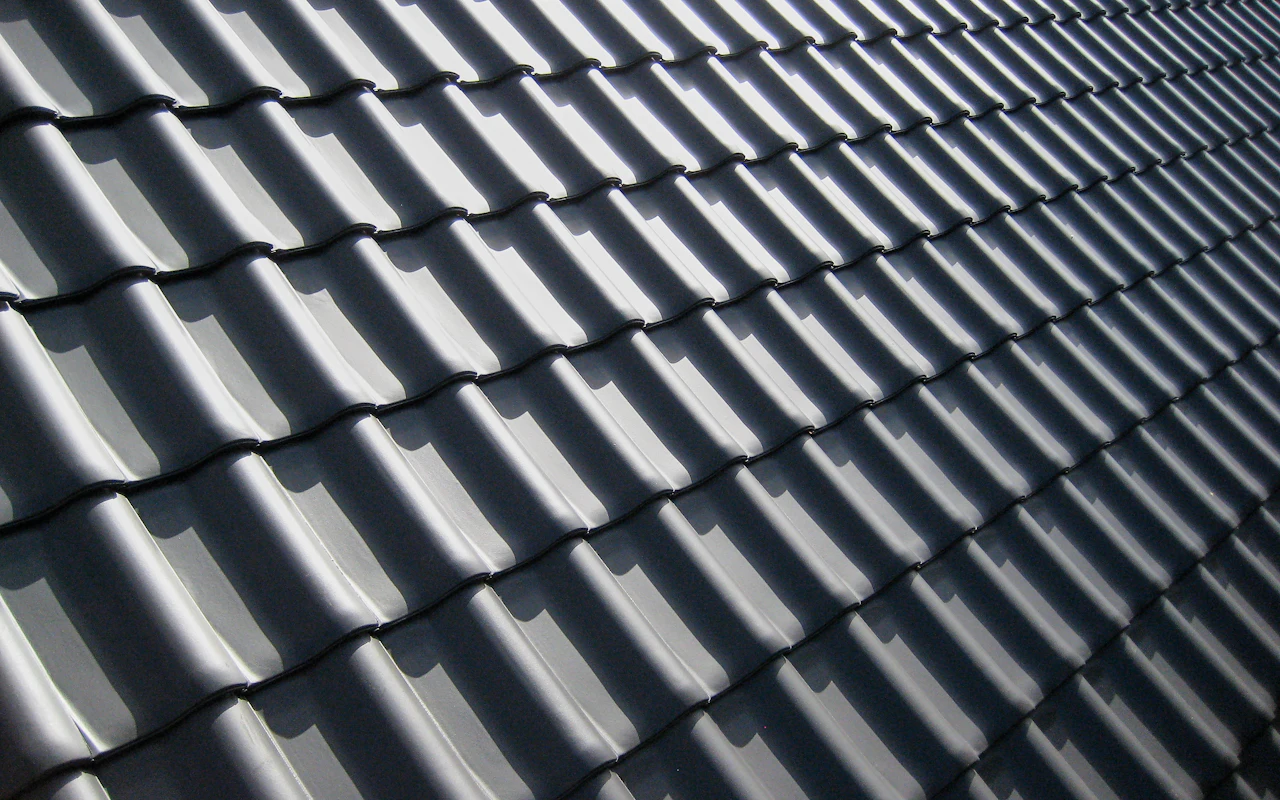
Solid tiled warm roof

Insulation in the roof, light tiles on top, a plastered finish below.

Guide prices on the cost page

Of the three, this option alters the room most. Instead of a glazed lid, you get a proper insulated roof, so the heat you pay for in winter stays in and the summer sun no longer lands straight on you. In a lot of cases it is the difference between a room you visit and a room you live in.

The catch is weight. Tiles load the posts, frame and foundations far more heavily than glass ever did, and a careful firm inspects each before quoting. Sometimes posts need strengthening or the low walls need work first. Occasionally the frame simply is not up to it, and you are told so.

In Scotland there is a paperwork side too. Going solid makes the room behave more like an extension, and most such jobs need a building warrant before the work starts. The building warrant page explains why.

  • It earns its price in rooms that are too cold to use, rooms that overheat, and anyone who wants the space to feel like part of the house.
  • It is a harder sell on a frame that is already tired, on a tight budget, or for anyone who loves sitting under the sky.

Worried it will feel gloomy? A roof lantern or a few glazed panels set into the slope put back a surprising amount of light.

Glass roof units

New double-glazed units fitted to the existing roof frame, or to a new one.

Guide prices on the cost page

If you like the light but hate the noise and the drips, modern glass is the middle path. Glass units are heavier and quieter than hollow plastic sheets, they stay clear, and they generally keep a little more warmth in.

They will not turn a glass room into a warm room on a frosty night, though, and a south-facing conservatory can still get properly hot when the sun is out. Think of glass as a better conservatory rather than a different room.

Because the units weigh more than polycarbonate, a firm should still confirm the existing glazing bars can carry them. Where the frame is sound, it is usually a far smaller job than a solid roof.

Polycarbonate sheets

New multi-wall plastic sheets in your current roof frame.

Guide prices on the cost page

Polycarbonate is light, inexpensive and quick to fit, so it turns up on a lot of older conservatories. Over the years the sheets can discolour, go brittle and let water in at the edges, and the room ends up dim as well as draughty.

Re-sheeting makes sense when the frame is in good order and your only real complaint is the state of the old sheets. Do not expect it to solve heat, cold or the drumming of rain, because a new sheet behaves much like the old one did when it was new.

It is the lowest-cost of the three options and the least disruptive, so it can suit a conservatory you mainly use as a sun porch or a place to dry washing.

Polycarbonate, glass and tiles compared

Read these as broad comparisons, not test results, because how any roof performs depends on the product, the fitting and which way your conservatory faces.

Compared onPolycarbonateGlass unitsSolid tiled
Load it puts on the frameVery littleMore than plastic sheetsA great deal more
DaylightBright, can turn cloudy with ageClear and brightLike an ordinary room; add a lantern for more
Summer heatGets hotBetter, still warm on sunny daysMuch steadier
Winter warmthPoorBetter than sheetsBest of the three
Rain noiseLoudQuieterQuietest
Building warrantAsk the councilAsk the councilUsually needed

Lifespan follows the same pattern in general terms: plastic sheets are usually the first to show their age, while a well-built tiled roof is designed to last like any other roof on the house.

Matching the roof to a Glasgow house

Most conservatories in the city hang off villas, cottages and houses with their own gardens rather than tenements, and that shapes the choice more than you might expect.

Sandstone villas in the older suburbs

On a Victorian or Edwardian villa in a place like Pollokshields, Dennistoun or Broomhill, there is a fair chance you are in one of Glasgow's 25 conservation areas. That does not rule out a solid roof, but the look matters more. Tiles and trims that sit well with the house will be an easier conversation with the council than a bright modern roof.

Newer houses and bungalows

On a later house, the frame is usually the deciding factor. Many conservatories built with a light polycarbonate roof were never designed to carry tiles, so a survey comes first and the roof choice follows from what the frame can take.

A room facing the weather

Which way does yours face? A conservatory that catches the afternoon sun is the classic case for solid, because no amount of blinds fixes heat that is already inside. One on a shaded, north-facing side may be happiest under clear glass, where every bit of daylight counts.

Still unsure? Look at the price bands for all three side by side, then ask a firm what your frame can carry before you settle on a roof.

Get a quote for the roof that suits your frame

A survey settles what your conservatory can carry. Leave your postcode and contact details and a firm can take it from there.

A conservatory roof firm covering your area is picked out and named to you up front. They see your details only after you agree, and you pay nothing for the introduction. How requests are passed on.

Where and who
Get a quote